The Independent National Electoral Commission (INEC) has commenced a national training programme aimed at strengthening inclusive voter education ahead of the 2027 general election….
The Independent National Electoral Commission (INEC) has commenced a national training programme aimed at strengthening inclusive voter education ahead of the 2027 general election.
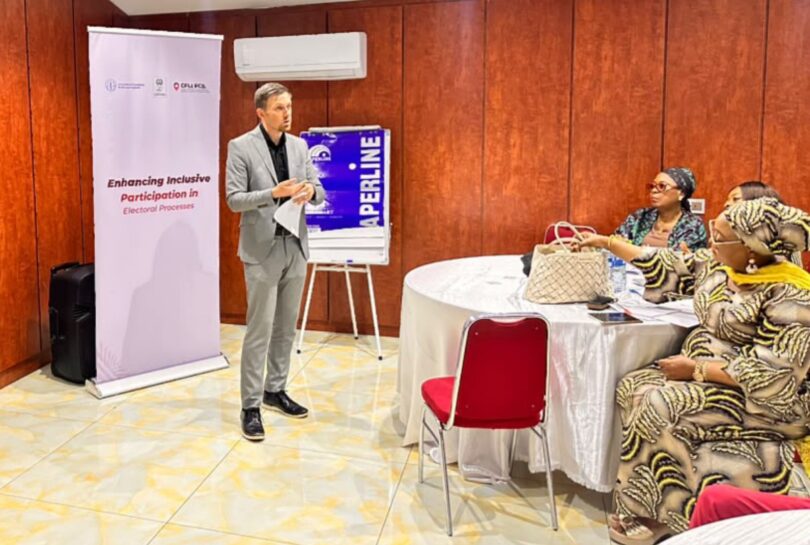
The two-day training, supported by the Government of Canada through its Fund for Local Initiatives and organised in collaboration with the International Foundation for Electoral Systems (IFES), is designed to equip INEC’s Gender and Inclusivity staff with practical strategies for reaching diverse categories of eligible voters.
The training, held in Abuja, brought together staff from INEC’s Gender and Inclusivity Department across the states and other relevant officials.
The Commission said the initiative was aimed at ensuring that voter information reaches citizens and can be understood by all eligible voters, regardless of their circumstances.
The programme is being implemented under the leadership of INEC Chairman, Professor Joash Ojo Amupitan, SAN, as part of efforts to strengthen an inclusive electoral process ahead of the 2027 elections.
INEC said its commitment to inclusion has also been reflected in recent engagements with the Joint National Association of Persons with Disabilities (JONAPWD), Organisations of Persons with Disabilities and other stakeholders on improving the participation of persons with disabilities in the elections.
Speaking at the training, First Secretary, Political Affairs at the Canadian High Commission in Nigeria, Colton Bridges, said inclusive elections were an important component of democratic development.
Bridges said the Canadian-funded initiative was one of several election-related projects being supported in Nigeria ahead of the 2027 elections.


“I hope for the next two days, what you’re going to take away from it is maybe how to do it a little bit better, how to do it differently, some strategies you can use to ensure that your education is inclusive,” he said.
He said electoral inclusion should extend beyond persons with disabilities to other groups that may face barriers in accessing voter information.
These, he said, include citizens who do not speak English fluently, people with limited literacy, residents of remote communities and those without access to the internet.
“People who need specific types of information or specific types of messaging” must be reached to enable them to participate fully in the electoral process, Bridges said.
He added that while many challenges confronting persons with disabilities, including access to education and employment, fall outside INEC’s mandate, the Commission has a responsibility to ensure that the electoral process itself remains accessible.
Bridges said this would enable persons with disabilities and other eligible citizens to exercise their right to vote in the 2027 elections.