The House of Representatives has called for the involvement of the Economic and Financial Crimes Commission (EFCC) and the Independent Corrupt Practices and Other Related Offences Commission (ICPC) to strengthen accountability in the management of $4.6 billion in health grants received by Nigeria between 2021 and 2025….
The House of Representatives has called for the involvement of the Economic and Financial Crimes Commission (EFCC) and the Independent Corrupt Practices and Other Related Offences Commission (ICPC) to strengthen accountability in the management of $4.6 billion in health grants received by Nigeria between 2021 and 2025.
The grants comprised $1.8 billion from the Global Fund and $2.8 billion from the United States Agency for International Development (USAID) for interventions against HIV/AIDS, tuberculosis and malaria, as well as strengthening the country’s health system.
The recommendations are contained in a report by the House Committee on Infectious Diseases following an investigation into the utilisation of the funds.
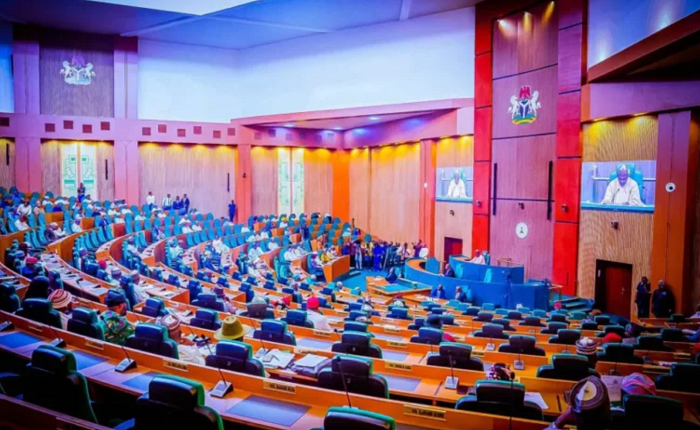
The House considered and adopted the report during Wednesday’s plenary, after the committee chairman, Hon. Ogah Amobi Godwin, presented it.
The committee recommended that organisations managing the grants should submit annual implementation plans to the National Assembly for approval before accessing funds.
It also called for mandatory quarterly financial and programme reports to enable lawmakers to monitor spending and assess the impact of donor-funded interventions.
The recommendations are aimed at addressing accountability gaps and strengthening legislative and institutional oversight of international health assistance.
Reps want Nigerian institutions to manage future grants
The committee further recommended that future grants should be structured to allow Nigerian institutions to manage the funds directly, in line with the country’s health priorities and development strategies.
It urged the Federal Government to increase domestic health financing and reduce Nigeria’s dependence on foreign assistance.
Specifically, the House called for increased budgetary allocations to the health sector, including dedicated funding for HIV/AIDS, tuberculosis and malaria programmes.
It also urged the National Assembly to make adequate appropriations for Nigeria’s counterpart funding obligations and other financial commitments to the programmes.
House seeks stronger oversight of health grants
On institutional supervision, the committee recommended that the operations of the Country Coordinating Mechanism (CCM) Nigeria should be funded through the budget of the Federal Ministry of Health and Social Welfare.
It said the arrangement would strengthen the mechanism’s capacity to supervise grants and address challenges affecting implementation.
The committee also called for permanent office accommodation and improved working conditions for CCM Nigeria and all National Programmes.
Additionally, it urged the Ministry of Health and Social Welfare to ensure that Nigeria fulfils its financial pledges towards replenishing future Global Fund grant cycles.
The recommendations seek to strengthen transparency, improve domestic ownership of donor-funded health programmes and ensure that funds allocated to tackling major diseases deliver measurable benefits to Nigerians.