The National Centre for the Control of Small Arms and Light Weapons (NCCSALW) has called for stronger intelligence sharing and inter-agency cooperation with the Department of State Services (DSS) and the Nigeria Police Force to tackle the proliferation of illegal weapons in the Federal Capital Territory. The call was made……
The National Centre for the Control of Small Arms and Light Weapons (NCCSALW) has called for stronger intelligence sharing and inter-agency cooperation with the Department of State Services (DSS) and the Nigeria Police Force to tackle the proliferation of illegal weapons in the Federal Capital Territory.
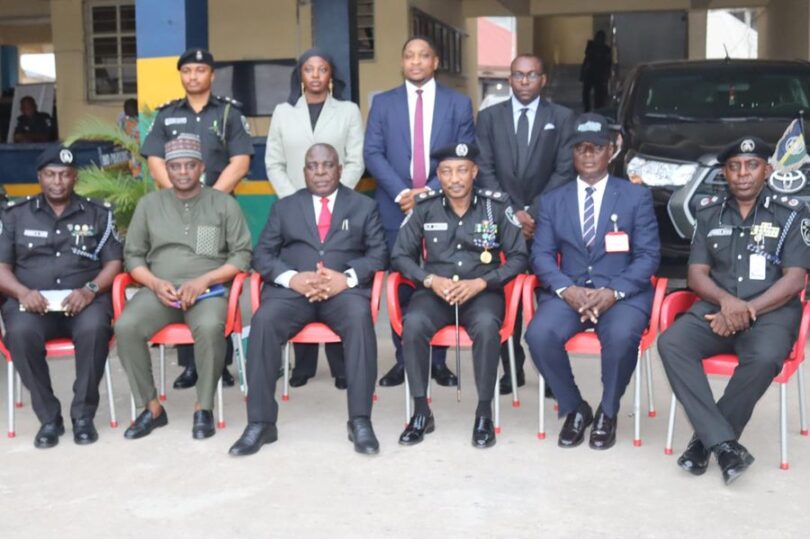
The call was made during separate courtesy and sensitisation visits by the Centre’s North Central Zonal Office to the DSS and the FCT Police Command on Tuesday, 10 November 2026.
The delegation was led by the Zonal Director, Abdul Adamu Eneche, who stressed the need for coordinated security operations, intelligence sharing and sustained public sensitisation to curb the circulation of illicit small arms and light weapons.
Eneche identified porous borders, illegal local arms fabrication and alleged compromise by some security personnel as major factors contributing to the proliferation of illegal weapons.
READ ALSO: DSS Intercepts Arms Shipment From Niger Republic, Recovers 25 Guns In Sokoto
He acknowledged the strategic roles of the DSS and the Police in intelligence gathering, security operations and arms control, urging both agencies to strengthen their collaboration with the Centre.
Responding separately, the State Director of Security, Usman Naba Dauda, and the FCT Commissioner of Police, Ahmed Mohammed Sanusi, acknowledged the security challenges posed by porous borders, arms trafficking and local weapons manufacturing.
Sanusi particularly recommended stronger engagement with the Nigeria Immigration Service to improve border surveillance and prevent the movement of illicit weapons into the country.
Both security chiefs expressed their readiness to support the NCCSALW in delivering its mandate under the Office of the National Security Adviser.
The State Director of Security described collaboration with the Centre as a necessity rather than a privilege.
The engagements reaffirmed the commitment of the agencies to a coordinated approach to tackling illicit arms proliferation and addressing its associated threats to national security.