The Lagos State governorship candidate of the Peoples Democratic Party (PDP), Adedeji Doherty, has pledged to build on the infrastructure projects of the incumbent All Progressives Congress (APC) administration if elected in 2027….
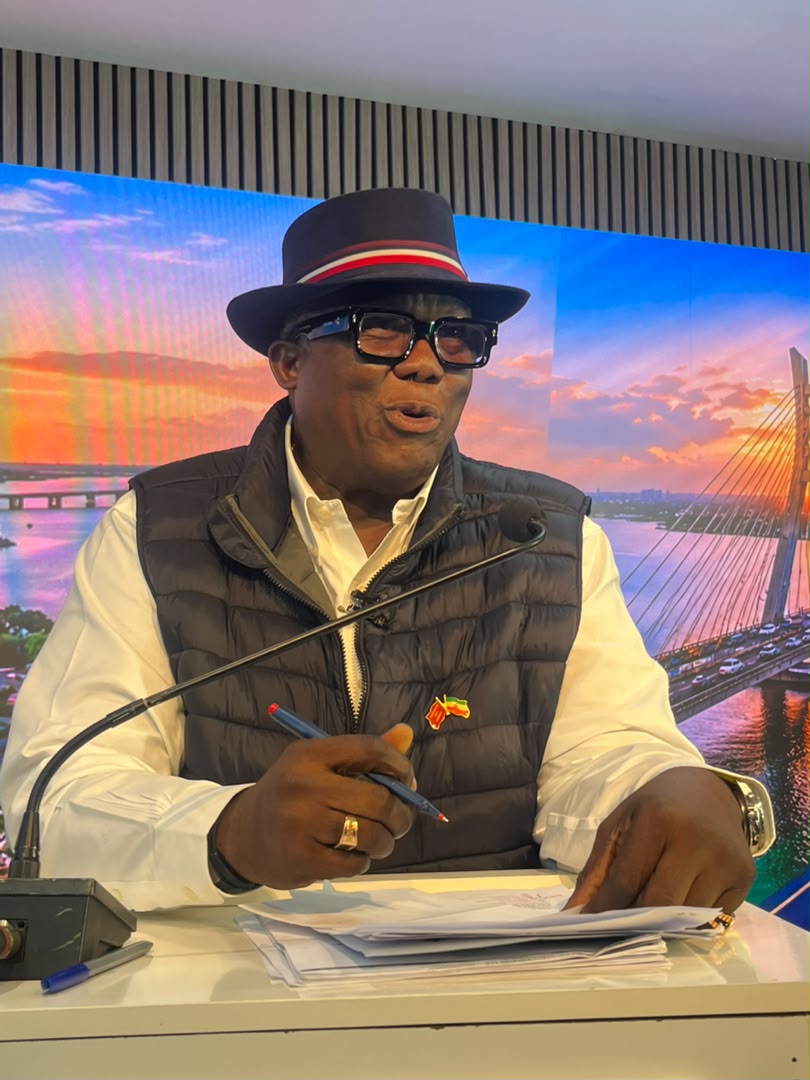
The Lagos State governorship candidate of the Peoples Democratic Party (PDP), Adedeji Doherty, has pledged to build on the infrastructure projects of the incumbent All Progressives Congress (APC) administration if elected in 2027.
Doherty made the commitment during the Lagos governorship debate on Sunday, where candidates were asked to explain why heavy rainfall frequently disrupts movement across the state and outline measures to make infrastructure more resilient to climate change and population growth.
He identified poor drainage as a major contributor to flooding in Lagos, calling for improved drainage channels and better management of the state’s waterways.
The PDP candidate acknowledged that climate change was a global challenge but said Lagos needed to strengthen its infrastructure and improve its response to flooding.
He cited the link bridge between Bourdillon Road and Lekki as an example of infrastructure development undertaken during the administration of former Governor Babatunde Fashola.
Doherty also commended the current state government for clearing drainage channels and removing refuse, saying a future PDP administration would continue and improve on such efforts.
“We will continue to build on it and we will try and do things much better,” he said.
He also called for improved transportation arrangements for elderly and physically challenged residents, arguing that their mobility needs should be better accommodated within the public transport system.
Doherty urged residents to demonstrate greater discipline in waste disposal, saying indiscriminate dumping of refuse into drainage channels worsened flooding.
He maintained that flooding was partly a geographical challenge but said the impact on residents depended largely on how effectively the government managed it.