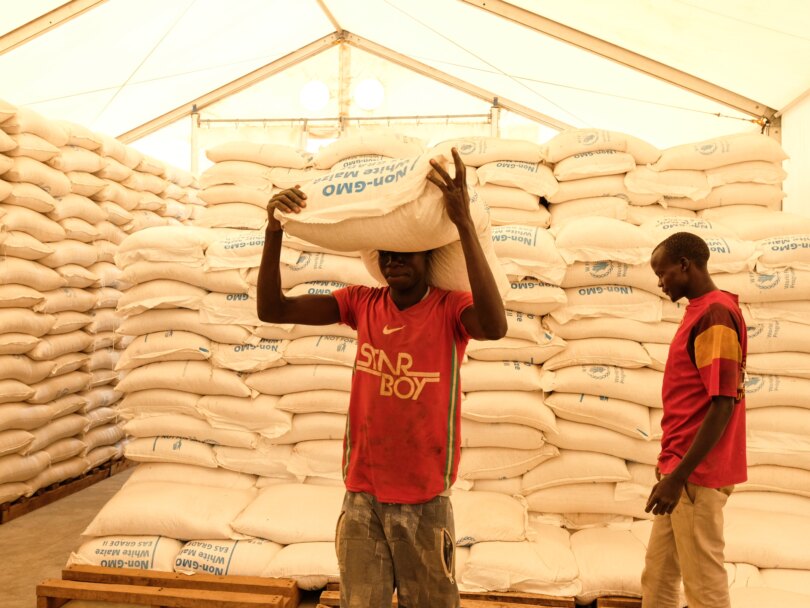
El Nino is a major driver behind three of the four newly identified hotspots, mainly in different parts of Africa.
Hunger is set to worsen significantly in 16 global hotspots over the coming six months, mainly due to armed conflict and extreme climate events, two United Nations agencies said in a new report.
The Food and Agriculture Organization (FAO) and World Food Programme (WFP) warned on Friday that Sudan, South Sudan, Somalia, northern Nigeria and Yemen faced the gravest threats of famine, driven by violence, displacement, economic hardship and extreme weather, including the El Nino phenomenon.
Recommended Stories
list of 4 itemsend of list
Listings in the report, released twice a year through the Global Network Against Food Crises, have risen from 13 hotspots in June, with Chad, Uganda and parts of both Southern Africa and Central America added, while Lebanon was removed.
Armed conflict and violence were driving hunger in 12 of the 16 hotspots, the report said, as soaring food, energy and transport costs were eroding people’s ability to feed themselves.
El Nino, which is set to intensify to exceptional levels in the coming months according to the World Meteorological Organization (WMO), is a major driver behind three of the four newly identified hotspots: Southern Africa, the Central American Dry Corridor and northeastern Uganda.
Covering December 2026 to May 2027, the agencies warned that shrinking humanitarian funding was affecting efforts to avert catastrophe.
In the five countries most at risk, all repeatedly cited on the hotspot list since 2022, humanitarian…