Dutch Prime Minister Rob Jetten’s government will remain in power after four days of tense negotiations between the three parties in the ruling coalition. The leaders have agreed to settle their disagreements over the 2027tax plan and continue working together.
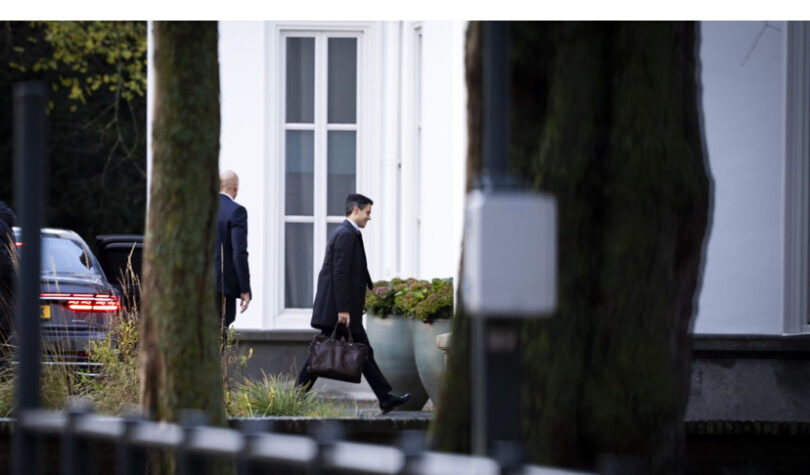
The agreement was announced late on Mondayfollowing lengthy discussions at the Catshuis,theprime minister’s official residence in TheHague. The talks lasted more than nine hours.
The coalition consists of three parties: centristD66, liberal VVD and Christian Democrat CDA.In ajoint statement, the parties said theirdiscussions had helped rebuild trust and improverelations. They also confirmed that no additional party would be invited to join the government.
Opposition calls for answers
The agreement has not stopped criticism fromopposition parties. Jesse Klaver, leader ofPRO, questionedthe government’s stabilityand criticised the VVD for voting against itsown coalition’s tax proposal.
He described the move as irresponsible and called for a parliamentary debate to explain whether the government could still function effectively.
Several organizations representing local authorities, transport companies and property developers had also urged the coalition parties to resolve their differences and allow the government to complete its term.
The cabinet is scheduled to hold an additionalmeeting on Tuesday morning to discuss thedetails ofthe agreement. Prime Minister Jettenand his two deputy prime ministers, Dilan Yesilgözof the VVDand Bart van den Brink of the CDA,are expected to address the media afterwards.
Parliament is also expected to discuss the political crisis on Wednesday following Klaver’s request.
Former CDA leader brought in to help
The coalition has asked Sybrand Buma, a formerCDA leader and current vice-president of the council of State, to help improve cooperation with opposition parties during budget negotiations.
His responsibility will mainly involve offering advice and helping the parties establish working arrangements. He will not negotiate agreements on their behalf, according to reports from NOS.
Disagreement over tax changes sparked crisis
The political dispute began after D66 and CDA reached an agreement with left-wing PRO and Volt on changes to the 2027 tax plan.

Under the proposal, wealth tax would increase by €1 billion, with the additional revenue used to reduce income tax.
The VVD strongly opposed the arrangement, arguing that it went against the coalition agreement.ItsMPs subsequently voted against the entire tax proposal last Thursday.
Despite the opposition, the plan narrowly passed in parliament with 76 votes in favor out of 150.
The disagreement became more serious onFriday when VVD leader and deputy primeminister DilanYesilgöz described the minoritygovernment as a failed experiment. She called for major changes to how the coalition operates.
Jetten responded by saying the three parties needed serious discussions to address political disagreements,improve their policies and rebuild personal trust.
Coalition chooses unity over breaking up
The party leaders spent the weekend negotiating at the De Zwaluwenberg estate in Hilversumbeforecontinuing discussions at the Catshuis on Monday.
During the negotiations, they reportedly considered ending the coalition or continuing without the VVD. However, both possibilities were eventually abandoned in favor of keeping the three-party government together.
The coalition currently holds only 66 of the 150seats in the Dutch parliament. This means it must regularly seek support from opposition parties to pass new laws and secure approval for government policies.
The next major challenge will be the Senate vote on the tax plan, which is scheduled for-the week before Christmas.
Although the coalition has avoided an immediate collapse, its survival will depend on whether the three parties can maintain their agreement and win enough support from opposition lawmakers.