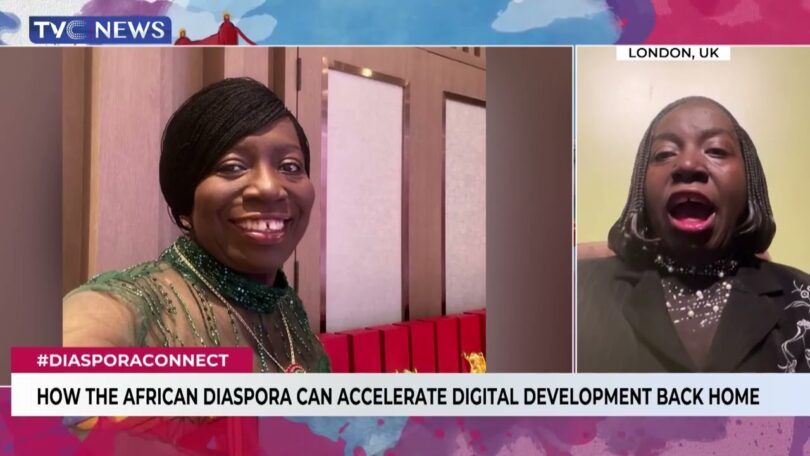
A UK-based digital transformation consultant and artificial intelligence specialist, Gbemisola Abosede Ajayi, has urged the Nigerian government to engage skilled professionals in the diaspora to accelerate digital development, strengthen public institutions and improve service delivery….
A UK-based digital transformation consultant and artificial intelligence specialist, Gbemisola Abosede Ajayi, has urged the Nigerian government to engage skilled professionals in the diaspora to accelerate digital development, strengthen public institutions and improve service delivery.
Abosede said Nigerians abroad possess valuable expertise in technology, business strategy and innovation that could help modernise government operations, transform businesses and make the country more competitive globally.
She made the call during an interview on Diaspora Connect, where she discussed the contribution of the African diaspora to digital development and the opportunities presented by emerging technologies.
Abosede stressed the need for Nigeria to prioritise proper documentation and digitisation of processes across government institutions, businesses and the private sector.
According to her, maintaining digital records and accessible information systems would improve efficiency, transparency and accountability while reducing delays associated with paper-based processes.
“One of the things that I think is important for us as Nigerians is to keep adequate documentation and to digitise all of our processes,” she said.
She added that Nigerians in the diaspora with relevant expertise could be engaged in strategic positions to lead digital transformation initiatives across the civil service, central government and public service institutions.
The technology specialist also identified artificial intelligence as a critical tool Nigeria must embrace, noting that effective understanding and application of AI could improve productivity and strengthen the economy.
“Artificial intelligence is one of the cutting-edge technologies that we cannot separate ourselves from, and actually understanding and using the tools effectively can help to boost the economy as a whole,” she said.
Abosede emphasised the importance of collaboration between diaspora professionals and local experts, arguing that combining their experiences and skills would accelerate technological advancement.
She disclosed that she had visited Nigeria in July and held discussions with some professionals in Abuja on how she and other diaspora experts could contribute their knowledge to the country’s development.
She said her proposed contribution would include mentoring young Nigerians, providing technical training and helping professionals develop the skills required to compete in the global technology industry.
The consultant also revealed that she had approached the Vice-Chancellor of the University of Lagos, Professor Folasade Ogunsola, to explore opportunities for collaboration in training university staff on digital transformation and the use of technology to improve productivity.
A graduate of Zoology from the University of Lagos, Abosede has additional qualifications in business administration, international project management and pharmaceutical supply chain management, alongside professional certifications in information technology and artificial intelligence.
Having moved to the United Kingdom at the age of 23, she said her Nigerian background had remained an important part of her professional and personal identity.
She also disclosed that she had been involved in initiatives supporting women in technology and STEM education, including co-founding a technology business in Ghana, Westgen, and establishing Global Alliance and Associates in the UK.
Reflecting on the challenges she encountered as a woman in technology during the 1990s, Abosede said she often found herself as the only woman and sometimes the only Black person on her team.
She explained that she had to develop strong communication, negotiation and leadership skills to ensure her contributions were recognised in predominantly male technology environments.
While welcoming the increasing participation of women in technology, she said she remained committed to empowering more women with digital transformation and AI skills.
On the concerns discouraging some Nigerians abroad from contributing to development at home, Abosede acknowledged that insecurity remained a major challenge.
She urged the government to do more to secure the country, saying improved security would encourage more diaspora professionals to return, invest and participate in national development.
“I would implore our government to do a bit more in terms of making the country secure because that would encourage others to come along and contribute their quota,” she said.
She also called on Nigerians to build stronger professional networks, collaborate across borders and remain positive about the country’s prospects.
Abosede further warned about the growing threat of misinformation, deepfakes and digital impersonation, urging Nigerians to verify information before sharing it on social media.
She said responsible use of technology and information verification were essential to preventing the spread of false narratives and protecting Nigeria’s image.
The specialist maintained that diaspora engagement should go beyond financial remittances to include the transfer of knowledge, professional expertise, mentorship and participation in policy and institutional development.
She urged the government and relevant institutions to create opportunities for Nigerians abroad to contribute their skills, stressing that collaboration between local and international professionals could help build a more technologically advanced and competitive Nigeria.