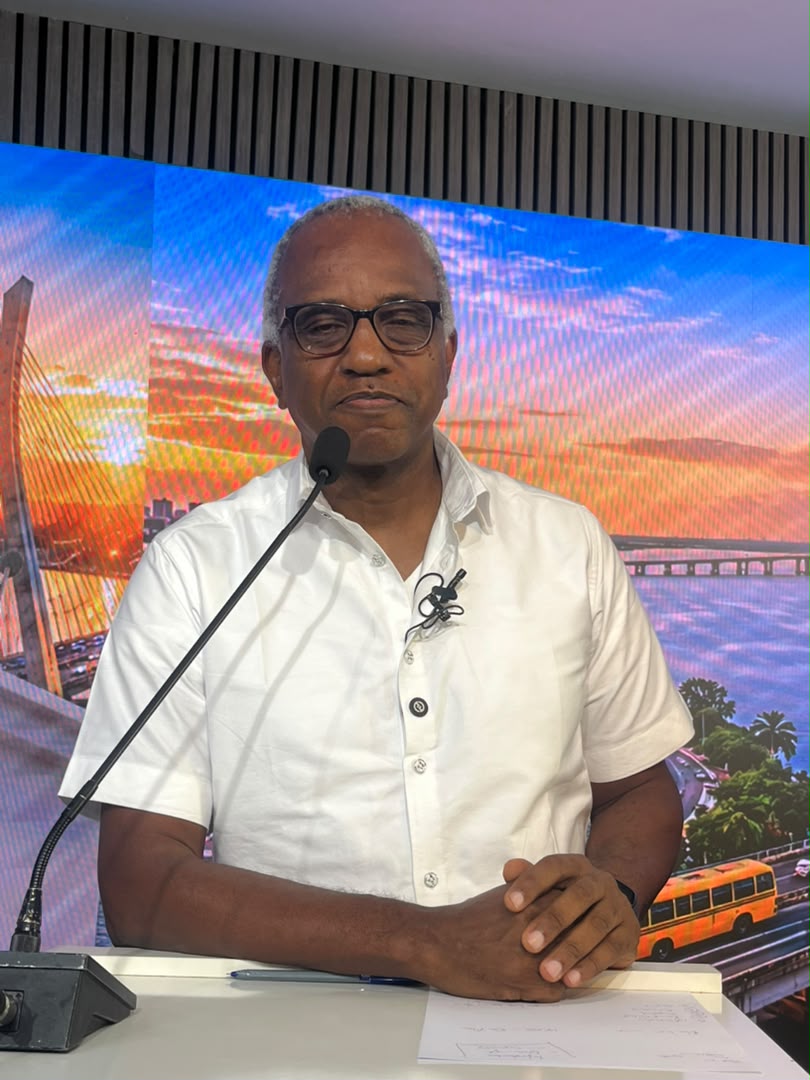
The Nigeria Democratic Congress (NDC) governorship candidate in Lagos State, Funso Doherty, has promised to make public education free, provide meals for pupils and deliver 150,000 affordable housing units if elected governor. Doherty made the commitments during the Lagos State governorship debate organised by TVC in partnership with Channels Television,……
The Nigeria Democratic Congress (NDC) governorship candidate in Lagos State, Funso Doherty, has promised to make public education free, provide meals for pupils and deliver 150,000 affordable housing units if elected governor.
Doherty made the commitments during the Lagos State governorship debate organised by TVC in partnership with Channels Television, Punch, Vanguard and TheCable newspapers.
He said the central problem with governance in Lagos was the absence of policies that placed residents’ welfare at the centre of government decisions.
The NDC candidate said his proposed six policy themes and 34 commitments were built around the principle that society could only prosper when individuals had the opportunity to improve their living conditions.
“The way in which societies develop, the way in which societies prosper, is when individuals within that society prosper,” he said.
On education, Doherty promised to make public education genuinely free, including removing examination fees and providing at least one affordable meal daily for pupils in public schools.
“We have said we will make education truly free. We will not pay for exams in Lagos,” he said.
He also promised to provide 150,000 affordable housing units, supported by government guarantees and funding arrangements, as part of a broader plan to improve living conditions.
The candidate said his proposed policies would also focus on healthcare, job creation, small businesses and public transportation.
Doherty said the proposals were intended to equip residents with the skills and opportunities needed to earn a living, build businesses and improve their livelihoods.
He added that the state’s development would depend on improving the capacity of individuals to earn and become economically independent.