Nigeria’s Ebola outbreak dominates the front pages, with newspapers reporting the infected patient’s deteriorating condition, intensified containment efforts and calls for emergency funding. Other major stories include concerns over abandoned public projects, the debate over fuel subsidy removal, progress towards establishing state police and political alignments ahead of the 2027 general elections.
The newspapers also highlight the financial difficulties facing commercial transport operators, recurring gas leaks affecting students in Ogun State and the challenges confronting farmers because of inadequate cold-chain infrastructure.
The Punch leads with “FG, States On Alert As Infected Diplomat Suffers Organ Failure”, reporting growing concerns over Nigeria’s Ebola outbreak.
The newspaper reports that the Federal Government and state governments have intensified containment efforts following confirmation of an imported Ebola case. The infected patient is reportedly suffering from multiple organ failure, while the authorities are working with Ugandan officials to prevent further transmission. Aviation Minister Festus Keyamo has also ordered 46 contacts to observe a 21-day no-fly restriction.
The Senate and House of Representatives have called for emergency funding to strengthen the country’s response. Meanwhile, the World Health Organisation has warned that no approved vaccine or specific treatment is available for the strain identified in Nigeria, placing greater emphasis on surveillance, isolation and contact tracing.
The newspaper also reports that the Federal Government has assured Nigerians that the Ebola outbreak will not spread, as the presidential task force coordinates containment measures. The assurances come amid growing public concern over the infected patient’s condition and the need to prevent further infections.
Vanguard leads with “No Vaccine, Specific Treatment For Ebola Strain In Nigeria — WHO”, focusing on the medical challenges associated with the confirmed infection.
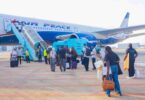
The newspaper reports that the World Health Organisation has warned that no approved vaccine or specific treatment is available for the Ebola strain identified in Nigeria. It also reports that the infected patient arrived in Abuja from Uganda on October 3 via Ethiopian Airlines.
The development has heightened concerns about the country’s preparedness to contain the outbreak, particularly as health authorities work to trace contacts and prevent further transmission. The absence of a specific treatment makes early detection, isolation and infection-prevention measures especially important.
Vanguard also reports that the Senate has rejected the Nigerian Midstream and Downstream Petroleum Regulatory Authority’s records for 2022 and 2023. The development raises questions about regulatory reporting and oversight in the petroleum sector, particularly as Nigeria continues to grapple with fuel pricing and the consequences of subsidy removal.
Daily Trust leads with “A Discount Too Little To Matter”, examining dissatisfaction among commercial transport operators over the Federal Government’s petrol discount scheme.
The newspaper reports that transport operators across several states have expressed disappointment with the 30-day discount on petrol sold at Nigerian National Petroleum Company Limited retail outlets. Announced on October 8, the initiative was intended to provide relief to public transport operators facing high operating costs.
However, operators say the discount is too small to make a meaningful difference to their expenses. Some have also complained that the procedures required to access the discounted petrol are cumbersome, while time spent queuing reduces the number of trips they can make daily.
The report highlights the difficulties involved in translating government interventions into practical relief for businesses and workers. With fuel costs affecting transport fares and the prices of goods, the effectiveness of the discount will depend on how accessible and substantial the savings are for its intended beneficiaries.
Daily Trust also reports that another gas leak in Ogun State has led to more than 100 students being hospitalised. The incident raises renewed concerns about the safety of school environments and the recurring exposure of students to suspected gas emissions. Authorities need to establish the source of the emissions and ensure affected schools are safe before normal activities resume.
The Guardian leads with “Weak Oversight, Fiscal Plan Leave Over 60,000 Public Projects Abandoned”, drawing attention to the scale of unfinished and unexecuted government projects across Nigeria.
The report highlights concerns about public expenditure, project monitoring and the failure to translate budgetary allocations into completed infrastructure. According to the figures presented in the newspaper’s report, more than 60,000 public projects have been abandoned, with their combined estimated value running into trillions of naira.
The newspaper also cites findings from BudgIT’s Tracka project-monitoring initiative, highlighting abandoned or unexecuted federal projects alongside those completed or still ongoing. Funding gaps, inflation, rising construction costs, weak planning and inadequate oversight are identified as major factors contributing to the problem.
The abandonment of public projects represents a challenge for service delivery and economic development. Unfinished roads, housing developments and other infrastructure leave communities without the benefits promised by public investment while resources remain tied up in incomplete projects.
The Guardian also reports that Ekiti, Anambra, Benue and two other states have passed the State Police Bill. The development indicates continued progress towards the constitutional changes required to establish state police, although further approvals and safeguards will be necessary before implementation.
THISDAY leads with “FG, States, Agencies Rally Nigerians In Early Fight Against Ebola”, reporting intensified efforts by government institutions to contain the outbreak.
The newspaper reports that federal and state governments, the National Assembly and public health institutions have stepped up surveillance and mobilisation following confirmation of an imported Ebola case in Abuja.
A key aspect of the response is identifying and monitoring contacts who may have been exposed to the infected patient. The newspaper reports that Aviation Minister Festus Keyamo has placed 44 contacts on a no-fly list as authorities seek to limit the possibility of further transmission.
The report further highlights calls by the Senate and House of Representatives for the immediate release of emergency funds to strengthen Nigeria’s preparedness. Former Vice-President Atiku Abubakar has also demanded accountability over the reported N10 billion preparedness fund, bringing financial oversight into the discussion.
The response places public health preparedness and government accountability at the centre of the national conversation. Beyond identifying and monitoring contacts, authorities must ensure emergency resources are available and used effectively.