By Lawrence Agbo
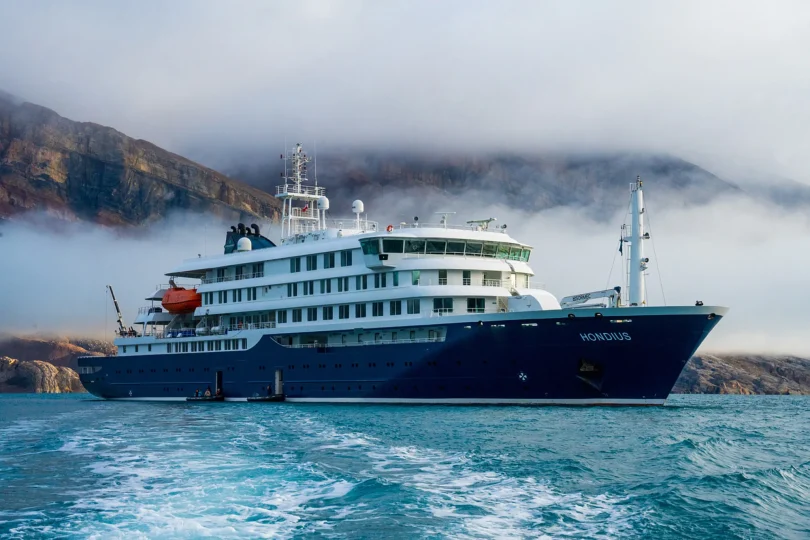
The World Health Organization has stepped up efforts to contain a hantavirus outbreak linked to the Dutch-flagged cruise ship MV Hondius after three passengers died and several others were infected during the vessel’s Atlantic voyage.
The WHO confirmed on Thursday that eight cases had been reported so far, including five laboratory-confirmed infections and three suspected cases. The agency warned that additional infections could still emerge due to the long incubation period of the virus
WHO Director-General Tedros Adhanom Ghebreyesus said the outbreak involves the Andes virus, a rare strain of hantavirus found in Latin America and the only known variant capable of human-to-human transmission.
“So far, eight cases have been reported, including three deaths. Five of the eight cases have been confirmed as hantavirus and the other three are suspected,” WHO chief Tedros Adhanom Ghebreyeus said during a briefing in Geneva.
“The species of hantavirus involved in this case is the Andes virus, which is found in Latin America,” he added.
“Given the incubation period of the Andes virus, which can be up to six weeks, it’s possible that more cases may be reported,” he cntinued.
He explained that because the Andes virus can take up to six weeks before symptoms appear, health officials remain on alert for further cases among passengers and crew.
The MV Hondius departed Ushuaia, Argentina, on April 1 for a northbound cruise across the Atlantic to Cape Verde before continuing toward Tenerife in Spain.
During the journey, the ship made several stops, including Saint Helena, where 30 passengers disembarked between April 22 and 24. One of the fatalities, a Dutch passenger, had reportedly died earlier on April 11.
The WHO said 12 countries have been notified after their citizens left the vessel during the trip. These include Britain, Canada, Denmark, Germany, the Netherlands, New Zealand, Saint Kitts and Nevis, Singapore, Sweden, Switzerland, Turkey and the United States.
WHO emergency alert and response director Abdi Rahman Mahamud said the outbreak is expected to remain limited if countries cooperate and public health measures are strictly enforced.
The disease is usually transmitted through contact with infected rodents, especially through urine, saliva and droppings. However, the Andes virus is particularly concerning because it can also spread between humans.
To strengthen testing and monitoring, Argentina is sending 2,500 diagnostic kits to laboratories across five countries to support faster detection of possible infections.
Tedros also said he has remained in close contact with the ship’s captain, who reported that morale among those onboard had improved since the vessel resumed movement toward Tenerife.