In today’s Middle East, competition over energy resources is no longer confined to oil and gas fields; it is increasingly centered on routes—and the power to design them. Gas pipelines, once viewed as purely technical infrastructure, have evolved into geopolitical instruments used to project influence, redefine alliances and shape the regional order. This shift signals the emergence of a new phase in energy diplomacy—one in which competition is largely silent, yet deeply consequential.
Pipelines: From infrastructure to instruments of power
Traditionally, pipelines were seen as neutral conduits for energy transport. Today, however, each pipeline functions as a “corridor of power.” Its route can determine which country becomes an energy hub and which remains marginal.
In this context, routes are shaped not only by geography but also by politics, security considerations and international alignments. In other words, the map of pipelines is a reflection of the balance of power across the region.
Competing actors: From Iran to Qatar and Turkiye
Regional players such as Iran, Qatar and Turkiye are all seeking to consolidate their positions within this evolving landscape.Iran, with its vast natural gas reserves, has the potential to become one of the most significant suppliers of energy globally. Yet geopolitical constraints and sanctions have limited its ability to fully realise this potential.
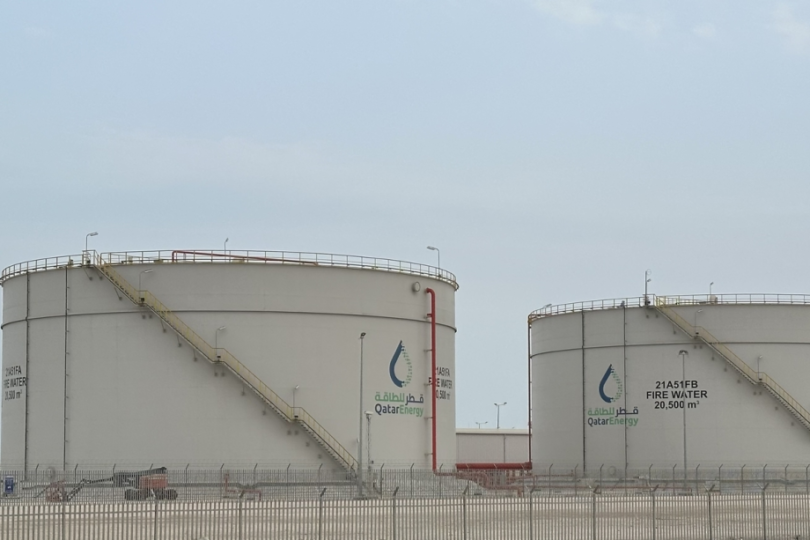
Qatar, one of the world’s leading exporters of liquefied natural gas, has prioritised maritime routes over pipelines, though it remains an influential player in regional gas dynamics.
Turkiye, meanwhile, is actively positioning itself as a transit hub, aiming to transform its role from a mere consumer into a strategic energy intermediary.
READ: UAE oil break exposes deepening Saudi rift as Gulf power shifts
The war of routes: A competition beyond energy
What is unfolding today can be described as a “war of routes”—a competition in which states seek to design and control energy corridors to their advantage.
This rivalry extends far beyond the energy sector. Pipeline routes influence political relations, security alignments and even global power balances.
Choosing a particular route for gas transport is therefore not just an economic decision, but a geopolitical one.
Regional implications: Convergence or fragmentation?
Pipelines can act as both a force for integration and a source of tension.
On one hand, interconnected energy networks can foster interdependence and reduce the likelihood of conflict. On the other, competition over routes and market share can deepen divisions and lead to the formation of rival blocs.
In the Middle East, both dynamics appear to be unfolding simultaneously, adding layers of complexity to an already volatile environment.
The future of energy diplomacy: Redefining roles
Energy diplomacy in the Middle East is undergoing a profound transformation. States are no longer focused solely on production; they are increasingly concerned with controlling routes, managing markets and shaping the broader energy value chain. In this evolving order, those able to move beyond the role of supplier to become architects of energy routes will hold the strategic advantage.
The silent wars over pipelines may lack the drama of military conflict, but they are among the most decisive forces shaping the future of the Middle East.
This is a struggle over geography, connectivity and influence—one in which victory will not necessarily belong to those with the largest reserves, but to those who can most effectively design and control the routes of energy.
In this sense, the future of the region will be determined less on the battlefield and more on the evolving map of pipelines.
OPINION: Has gas replaced oil? LNG geopolitics in a Middle East at war
The views expressed in this article belong to the author and do not necessarily reflect the editorial policy of Middle East Monitor.