
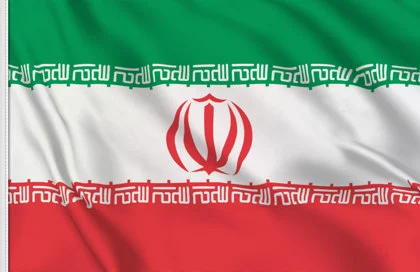
Iran has warned that any attempt by the United States to interfere in the Strait of Hormuz would be treated as a violation of the ongoing ceasefire, as President Donald Trump announced plans to begin escorting commercial vessels through the blocked route.
The warning was issued on Monday by Iranian officials in response to Washington’s planned maritime operation, dubbed “Project Freedom,” which is expected to commence immediately to assist stranded ships in the region.
“We will use our best efforts to get their Ships and Crews safely out of the Strait,” Mr Trump said in a statement on Sunday.
Reacting, a senior Iranian lawmaker said any American intervention would breach the ceasefire agreement reached on 8 April.
“Any American interference in the new maritime regime of the Strait of Hormuz will be considered a violation of the ceasefire,” he said.
Iran’s blockade of the Strait of Hormuz has significantly disrupted global trade, choking the flow of oil, gas, and fertiliser exports.
In response, the US has imposed a counter-blockade on Iranian ports, escalating the economic standoff.
According to US Central Command, the planned escort operation will involve guided-missile destroyers, over 100 aircraft, unmanned platforms, and approximately 15,000 personnel.
Negotiations between both countries have stalled, with reports indicating that Iran has proposed a timeline for reopening the strait and ending hostilities.
Mr Trump, however, suggested that ongoing discussions could still yield a positive outcome.
“I am fully aware that my representatives are having very positive discussions with the Country of Iran,” he said.
European allies have expressed concern over the prolonged closure of the waterway, warning of severe economic consequences.
German Foreign Minister Johann Wadephul called for the immediate reopening of the strait and urged Iran to commit to a negotiated resolution.
Oil prices have surged by about 50 percent since the conflict began, reflecting disruptions in global supply chains.
The situation has been further inflamed by strong rhetoric from both sides.
US Treasury Secretary Scott Bessent described ongoing measures as a comprehensive economic blockade.
“We are suffocating the regime… this is a real economic blockade,” he said.
Meanwhile, Iranian military adviser Mohsen Rezaei warned of potential military retaliation, threatening to target US naval assets if tensions escalate further.
With hundreds of vessels stranded in the Gulf and global markets under pressure, the unfolding confrontation underscores the fragile state of the ceasefire and the risks of renewed conflict in one of the world’s most critical energy corridors.