
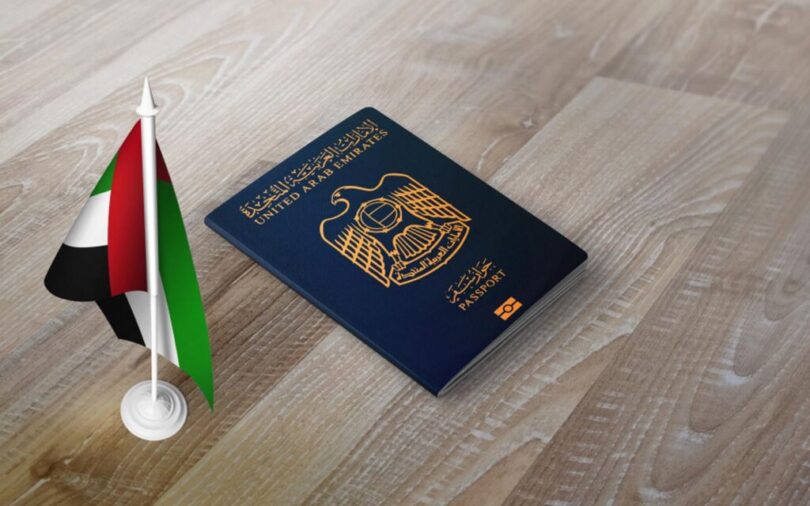
Dubai has significantly eased its residency visa rules for property investors, removing the long-standing minimum investment requirement for single-property buyers in a move expected to widen participation in its real estate market.
Under the revised policy introduced by the Dubai Land Department, full property owners can now qualify for a renewable two-year residency visa regardless of how much their property is worth. This marks a shift from the previous rule, which required a minimum investment of AED 750,000 before an investor could be eligible.
The change effectively lowers the entry barrier for foreign buyers, particularly mid-income investors and first-time entrants who were previously locked out of the visa-linked property scheme due to cost constraints.
Officials say the adjustment is designed to sustain momentum in Dubai’s property sector and reinforce the emirate’s long-standing position as a global hub for real estate investment.
The move also comes as Dubai continues to compete aggressively for international capital amid shifting global economic conditions.
However, the relaxed rule applies mainly to sole ownership. For jointly owned properties, each investor must still meet a minimum investment threshold to qualify for residency benefits, a safeguard aimed at ensuring serious financial commitment rather than pooled arrangements designed purely to secure visas.
Industry analysts believe the policy could trigger fresh demand in Dubai’s mid-range housing segment, which has seen steady interest but remained less accessible under the previous visa structure. It is also expected to attract a new category of small-scale investors who previously viewed the market as out of reach.
A senior executive at Proact Luxury Real Estate, Ritu Ojha, noted that while the reform widens access, it still preserves balance in the system. According to her, the removal of the minimum property value for solo buyers effectively invites global middle-income investors into Dubai’s real estate space, while the threshold for co-ownership prevents abuse of the scheme.
Higher-tier residency options tied to larger investments remain unchanged under the new framework, meaning long-term visas still require substantial capital commitments.
With the latest adjustment, Dubai is signalling a clear message: it wants more global participation in its property market, but without loosening control over the structure that has made it one of the world’s most attractive investment destinations.